

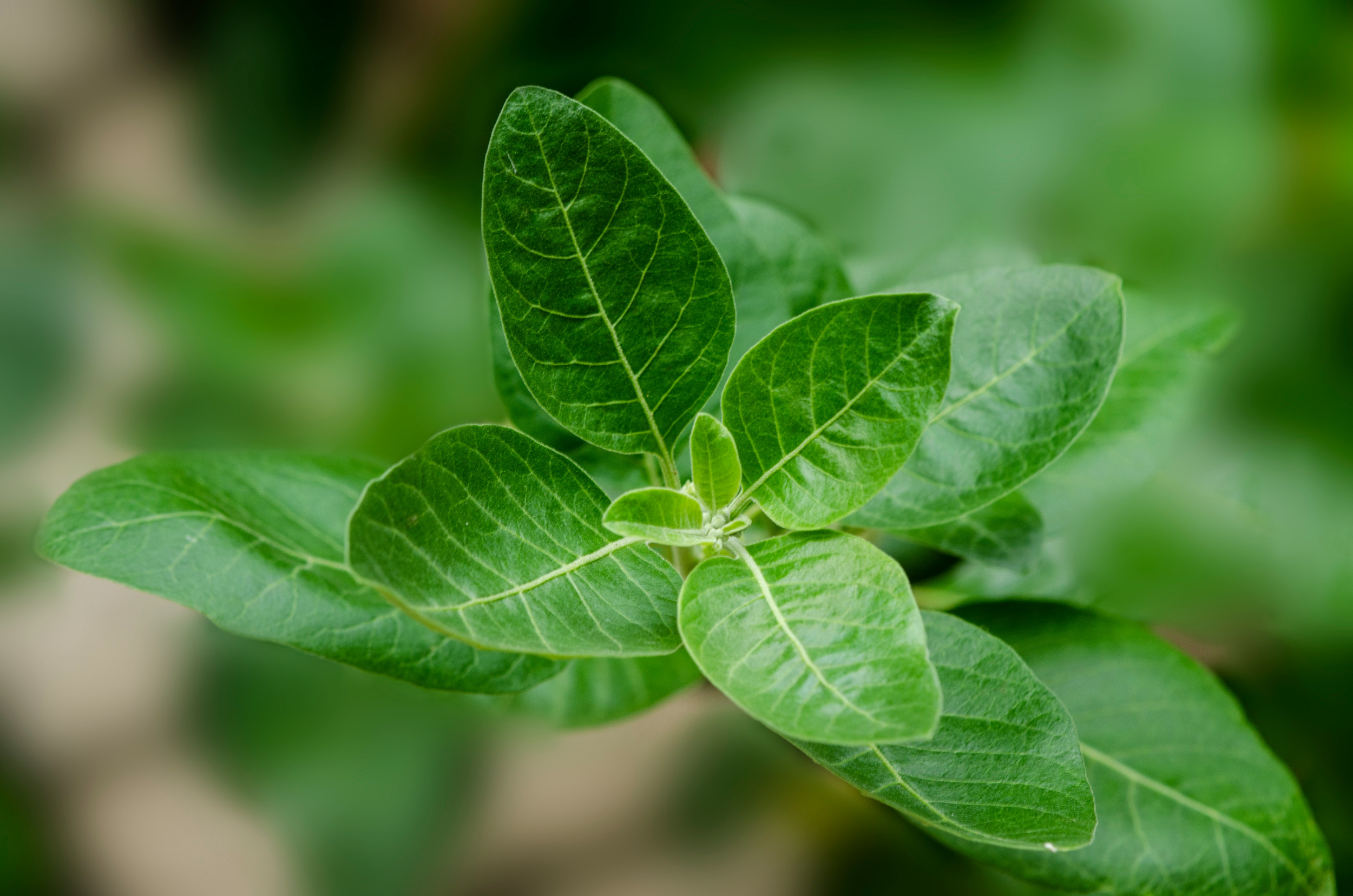

Ashwagandha, which carries the scientific name Withania somnifera, represents a cornerstone of traditional Ayurvedic medicine, frequently employed to alleviate stress, harmonize energy levels, and promote comprehensive well-being. Ranking among the leading adaptogenic supplements in contemporary use, it earns praise for aiding the body in managing both physical and psychological stressors through its supportive effects on cortisol production and the stabilization of the nervous system. The plant’s key bioactive elements, known as withanolides, play a crucial role in modulating the body’s reactions to persistent pressures, all without functioning as either a stimulant or a calming sedative agent.
Over the long term, unrelenting stress can interfere with sleep patterns, weaken immune defenses, hinder muscle preservation, and throw hormonal equilibrium off balance. The surge in curiosity surrounding the potential advantages of ashwagandha stems from advancing scientific investigations into its capacity to manage cortisol, ease symptoms of anxiety, and enhance physical capabilities. Nevertheless, the effectiveness of these advantages hinges on variables such as dosage amounts, treatment length, the purity of the extract, and the user’s unique health background. Gaining a solid grasp of its mechanisms, coupled with awareness of possible drawbacks, empowers individuals to assess whether incorporating ashwagandha into their daily wellness regimen is both suitable and secure.
Ashwagandha Advantages: Lowering Stress and Cortisol Levels
Among the most thoroughly examined perks of ashwagandha lies its contribution to diminishing stress via the fine-tuning of cortisol. This hormone surges during periods of tension to supply quick energy bursts, yet when it remains persistently high, it can fuel anxiety, disturb restful sleep, and lead to ongoing exhaustion. Ashwagandha exerts its influence on the hypothalamic-pituitary-adrenal axis, or HPA axis, which assists in calibrating the body’s stress mechanisms without fully damping them down.
A key randomized, double-blind, placebo-controlled clinical study, featured in the Indian Journal of Psychological Medicine, demonstrated that participants who consumed a standardized extract from ashwagandha root showed notable drops in their serum cortisol concentrations after a 60-day period, outperforming those given a placebo. That same research highlighted substantial progress in scores from the Perceived Stress Scale and anxiety assessments, underscoring advantages at both the physiological and emotional levels.
By fostering more stable cortisol concentrations, ashwagandha can pave the way for smoother sleep initiation, heightened control over emotions, and a decrease in indicators of exhaustion or burnout. Such outcomes shed light on its appeal for individuals grappling with sustained occupational pressures or the weariness associated with recuperation processes.
Adaptogenic Herbs: Enhancements in Physical Performance and Mental Function
In addition to its stress-mitigating properties, herbs classified as adaptogens, including ashwagandha, link to gains in bodily performance and mental acuity. These substances enable the body to better adjust to demanding physical activities by steadying stress-related hormones and bolstering metabolic processes. The impact of ashwagandha on testosterone production, post-exercise muscle repair, and stamina has rendered it a favorite among those leading active lifestyles.
Insights from the National Center for Complementary and Integrative Health indicate that various modest-scale studies involving humans point to ashwagandha supplementation potentially boosting strength metrics, maximal oxygen uptake or VO2 max, and markers of reproductive hormones in males. The center further observes enhancements in sleep quality and lessened fatigue among specific groups, though results can fluctuate based on the precise formulation and dosage employed.
On the cognitive front, observations from brief-duration experiments include faster reaction times and sharper focus, probably attributable to lessened disruptions from stress as opposed to outright stimulatory action. Together, these influences illustrate the rationale behind incorporating adaptogenic herbs for bolstering both intellectual sharpness and bodily toughness.
Potential Drawbacks and Adverse Reactions of Ashwagandha
Although the upsides of ashwagandha hold considerable allure, it is imperative to scrutinize its potential downsides with comparable diligence. The majority of documented adverse reactions tend to be minor in nature, yet they arise more frequently when dosages climb high or usage extends over lengthy periods. Common complaints encompass stomach upset, feelings of queasiness, loose stools, and sleepiness, particularly when intake surpasses 1,000 milligrams per day.
Data from the National Institutes of Health Office of Dietary Supplements highlights that ashwagandha could interfere with treatments for thyroid issues, calming agents, drugs that suppress the immune system, and medications designed to reduce blood glucose. The NIH also documents infrequent instances of liver damage tied to supplements containing ashwagandha, where warning signs emerged within weeks and subsided upon halting consumption.
Given the broad variability in how supplements are prepared, risks can escalate from impurities or overly concentrated withanolides. Data on safety for usage stretching past three months is notably sparse, which underscores the wisdom of incorporating rest periods and professional oversight into any regimen.
Groups That Should Steer Clear of Ashwagandha: Key Warnings
Specific demographics warrant heightened vigilance or complete avoidance of ashwagandha supplements owing to safety implications or interactions with existing medical states and pharmaceuticals. Individuals battling autoimmune conditions like multiple sclerosis or rheumatoid arthritis might encounter amplified immune activity that aggravates their ailments. Likewise, those dealing with thyroid imbalances ought to forgo ashwagandha absent close physician monitoring, as it possesses the capacity to alter thyroid hormone functions.
Women who are pregnant or nursing receive general recommendations to eschew ashwagandha, stemming from concerns over uterine stimulation and insufficient evidence confirming safety in these phases. Patients with conditions sensitive to hormones, including prostate cancer, should similarly bypass it because of its bearings on testosterone. Moreover, persons anticipating surgical procedures are urged to cease ashwagandha intake no less than two weeks beforehand to sidestep complications with anesthesia or blood pressure control. It remains essential to confer with a competent healthcare professional prior to introducing any novel supplement, particularly amid ongoing health challenges or concurrent medication use.
Safe Selection and Application of Ashwagandha
Should you conclude that ashwagandha aligns with your needs, adhere to these detailed recommendations to optimize safety:
- Opt for Standardized Formulations: Seek out offerings that specify withanolide percentages, typically between 5 and 10 percent, backed by independent lab verification for potency and cleanliness.
- Determine Appropriate Dosages: Studies commonly employ 300 to 600 milligrams each day of a standardized version, spanning 8 to 12 weeks. Initiate with conservative amounts and observe personal tolerances.
- Incorporate Professional Oversight: Engage in dialogue with a medical expert before commencement, especially pertinent if managing illnesses, expecting a child, or relying on other therapies.
- Blend into Holistic Practices: Position ashwagandha within a comprehensive approach to stress handling, encompassing nutritious eating habits, consistent exercise routines, and sufficient restorative sleep.
Emphasizing safety protocols, product integrity, and precise dosing stands as fundamental to reaping ashwagandha’s rewards while curtailing any associated negatives.
Weighing Advantages Against Cautions for Routine Incorporation
A thorough comprehension of ashwagandha’s advantages juxtaposed with its established hazards equips you to render well-informed choices regarding its alignment with your wellness objectives. Scientific inquiries illuminate encouraging outcomes concerning stress management, cortisol equilibrium, and select facets of physical and psychological health, yet it fails to serve as a universal remedy. Champion high-caliber sources, abide by suggested intake guidelines, and pursue tailored advice from medical authorities to guarantee usage that is both secure and efficacious, customized to your distinct health circumstances.
Common Queries About Ashwagandha
How Soon Might Ashwagandha’s Effects Become Noticeable?
Research predominantly reveals discernible changes following six to eight weeks of steady administration. Adjustments in stress and cortisol manifest progressively, not abruptly. Certain users report quicker gains in sleep quality relative to shifts in mood. Variability arises from dosage specifics, extract standards, and pre-existing stress intensities.
Is Daily Intake of Ashwagandha Advisable?
In experimental contexts, daily dosing prevails for brief durations. Evidence on perpetual daily consumption remains constrained. Alternating periods of use with pauses could mitigate risks. Professional counsel proves invaluable for prolonged regimens.
Could Ashwagandha Depress Cortisol Excessively?
Typically, ashwagandha normalizes rather than obliterates cortisol, targeting elevations without dipping below healthy thresholds. Cortisol sustains vital metabolic and immune operations. Overdosing poses greater concern for imbalances.
Does Ashwagandha Suit Seniors?
Seniors might employ ashwagandha prudently under physician guidance. This cohort faces elevated interaction risks with pharmaceuticals. Commence with reduced quantities. Periodic checks on thyroid and liver functions merit consideration.